


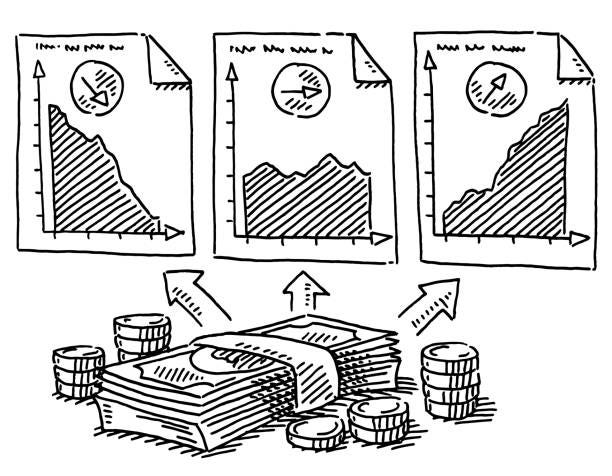
Single-point financial forecasts are among the most misleading planning tools in business. They create false precision, discourage contingency thinking, and leave leadership teams unprepared when conditions deviate from the plan — which they almost always do. The alternative is a structured three-scenario model: a base case that reflects management’s best estimate, an upside case that captures what is possible if key variables perform favorably, and a downside case that stress-tests the business against realistic adverse conditions.
For retail and CPG businesses, the most important variables to scenario-plan around are consumer demand, commodity and input costs, freight rates, tariff levels, and promotional effectiveness. Each of these can swing meaningfully in either direction, and the compounding effect of multiple variables moving simultaneously — in either direction — is what separates businesses with resilient plans from those that are perpetually reactive. The three-scenario framework makes these compounding effects explicit and quantifiable.
Chart: Three-scenario EBITDA output on a $5M revenue base — illustrating the range of outcomes across key variable assumptions.

The construction of a useful three-scenario model requires discipline around two things: the independence of scenarios from each other, and the identification of specific trigger conditions that would shift the business from one scenario to another. The scenarios should not simply be the plan plus or minus a fixed percentage — they should reflect coherent alternative views of the operating environment. The downside case, in particular, should be stress-tested against conditions that are genuinely plausible rather than comfortable.
Finance leaders should present all three scenarios to the leadership team and board, update them quarterly, and establish clear decision triggers — the specific metrics or external events that would prompt a shift in operating strategy. A well-designed three-scenario model is not just a planning document; it is a real-time decision support tool that enables faster, more confident responses when conditions change.
Bottom Line: The value of a three-scenario model is not in the numbers themselves — it is in the organizational discipline of knowing in advance what you would do under each one.