


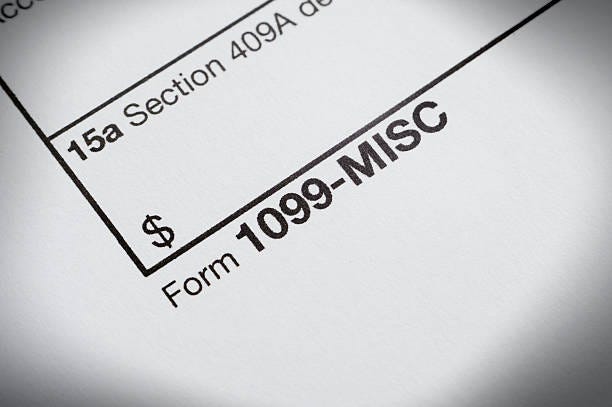
The IRS has confirmed that the Form 1099-NEC and 1099-MISC reporting threshold will increase from $600 to $2,000 beginning with payments made in 2026 — marking one of the most meaningful changes to contractor and vendor reporting requirements for small businesses in many years. While the change may seem administrative, it has practical implications for accounts payable operations, compliance workflows, and year-end close processes.
For retail and CPG operators that regularly engage independent contractors, freelancers, photographers, social media influencers, and marketing service providers, this threshold increase could significantly reduce annual 1099 filing volume. Businesses issuing large numbers of forms for smaller-dollar engagements — common in e-commerce and DTC brands that rely on contract creative and marketing talent — may see a substantial reduction in required filings.

Chart: Estimated reduction in annual 1099 filing volume by business type, comparing the $600 and $2,000 thresholds.
To illustrate: an e-commerce brand that currently issues 1099s to 80 vendors and contractors, many of them in the $600 to $1,999 range, may now be required to file forms for only a fraction of that volume. An important clarification: this change affects only the reporting threshold, not the underlying tax treatment. Payments below $2,000 remain fully deductible for the payer and remain taxable income to the recipient — the IRS simply no longer requires the payer to report them on a Form 1099.
Controllers should review AP systems, vendor onboarding workflows, and year-end 1099 preparation processes to ensure the updated threshold is correctly reflected. Businesses relying on automated reporting rules embedded in accounting software should verify those configurations are updated before the 2026 filing season, as many systems default to the prior $600 threshold until manually adjusted.
Bottom Line: The higher 1099 threshold reduces administrative burden, but finance teams need to update systems and internal processes before year-end to avoid over-filing or compliance errors.