


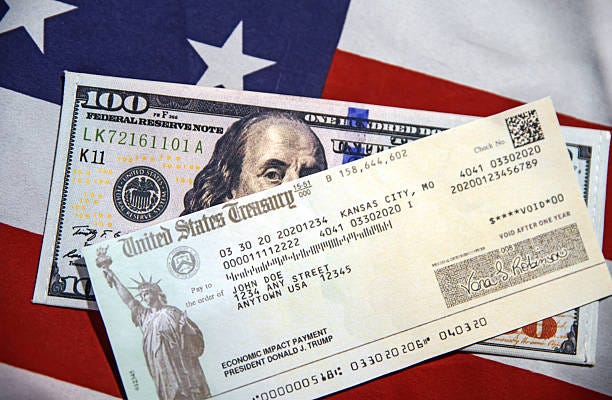
The February 2026 Supreme Court decision invalidating IEEPA-based tariffs continues to generate significant accounting and cash flow questions for importers across the retail and CPG space. While many companies may ultimately qualify for tariff refunds, the accounting treatment of those potential recoveries remains highly uncertain and fact-specific — and finance teams that move too quickly to recognize the benefit could be creating their own problems.
The core accounting challenge is determining when and how tariff refunds should be recognized. Companies that previously capitalized tariffs into inventory or expensed them through cost of goods sold now face a multi-path decision if refunds are received or become probable. Depending on the specific facts and applicable accounting guidance, businesses may need to recognize the recovery as current-period income, adjust inventory carrying values, evaluate prior-period amendments, or treat potential refunds as contingent gains under ASC 450 until cash is actually received.
Several public companies, including major retailers, have already begun addressing this uncertainty in their SEC filings. A common disclosure theme is that while refund claims may have legal merit, collection timing and ultimate realization remain uncertain. For example, a retailer that previously paid $5 million in IEEPA tariffs may have a reasonable expectation of partial recovery — but recognizing that recovery prematurely could create audit or disclosure risk if timing shifts or legal challenges continue.
Controllers and finance leaders should work closely with tax advisors and auditors to evaluate ASC 450 contingency accounting implications, inventory valuation adjustments, the tax treatment of refunds received in a year different from original payment, required financial statement disclosures, and cash flow forecast impacts. Maintaining detailed historical tariff documentation is also essential, both to support any refund claim and to provide an audit trail for the accounting treatment adopted.
Bottom Line: The tariff ruling may create refund opportunities, but the accounting and disclosure implications are far from resolved — conservative, well-documented treatment is the right approach.