


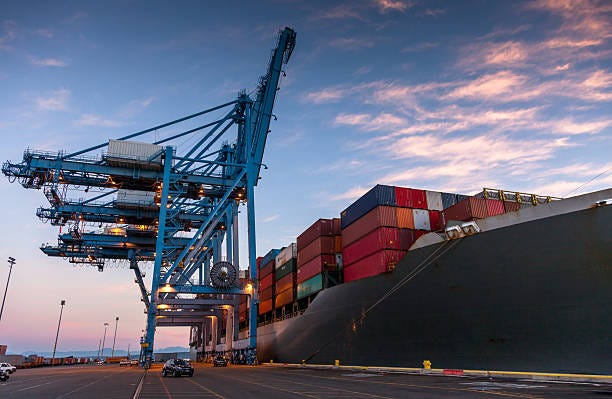
For decades, goods valued under $800 could enter the United States without paying any import duties at all. That threshold built the economics of the direct-to-consumer import model and made it possible for brands to ship goods from overseas directly to customers without a formal customs entry. That is over. The suspension began for China and Hong Kong in May 2025, extended to all countries in August 2025, and was then made permanent law under the One Big Beautiful Bill Act. Every shipment now pays duties regardless of value. There is no floor anymore.
The financial impact hit immediately. Any brand that was routing imports through low-value individual shipments to avoid duties now faces the full applicable rate on every transaction. The landed cost math your business was built on has changed and needs to be rebuilt from scratch. This is not a future planning item. If you have not recalculated your product costs under the new rules, you are already losing margin on every order.
Additional duty cost per order at different average order values and duty rates.

Beyond the cost, there is a compliance structure that now applies to every shipment that did not apply before. Formal customs entry requires a 10-digit HTS classification, a licensed customs broker for shipments above $2,500, a customs bond, and proper documentation tying each shipment to the correct duty rate. Brands that have only ever shipped informally need to build this compliance infrastructure now, either in-house or through a licensed customs broker.
If you have enough volume, importing in bulk to a domestic fulfillment center and shipping domestically from there is often the better answer. It consolidates your duty payments onto larger entries, reduces the per-order administrative burden, and gives you more control over the compliance process. For smaller operators, the honest next step is sitting down with your CPA and rebuilding your landed cost model using the duty rate that actually applies to your product. What worked before does not work anymore.
Bottom Line: The de minimis exemption was a structural cost advantage that entire business models were built around. It is permanently gone. The businesses that come out ahead are the ones that do the math now and reprice or restructure before the margin erosion compounds.