


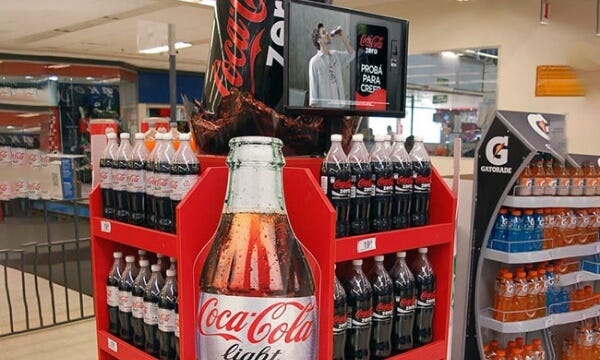
Trade spend — the category of costs that includes promotional allowances, slotting fees, co-op advertising, scan-down promotions, volume rebates, and display incentives — is one of the largest and least transparent cost categories in the retail and CPG business. For brands with meaningful wholesale distribution, trade spend commonly represents 15% to 25% of gross wholesale revenue. Yet despite its scale, trade spend is among the least rigorously measured investments in most businesses, making it an area where significant financial value is regularly lost without detection.
The challenge is structural. Trade spend is typically managed by sales and brand teams who are rewarded for securing retail placements and promotional events, not for the financial returns those events generate. Finance teams are often involved only in approving budgets and reconciling deductions — not in designing programs or measuring their incremental contribution. The result is a cycle in which promotional budgets renew annually based on prior-year spend levels rather than demonstrated ROI, and underperforming programs persist because no one has formally evaluated them.
A well-structured trade spend ROI analysis evaluates whether incremental volume generated by a promotion exceeds the combined cost of the price reduction and trade allowance — measured against the baseline volume that would have occurred without the promotion. This requires a clear baseline, an accurate read of promotional lift, and an honest accounting of all costs including slippage (the volume sold at the promotional price that would have sold anyway at full price). Many promotional events that appear successful on a gross basis generate little or negative incremental profit when analyzed correctly.
Finance and commercial teams should establish a minimum ROI threshold for all trade spend commitments — commonly 1.5x to 2.0x return on spend — and require post-event analysis for all programs above a materiality threshold. Programs that consistently fail to meet the threshold should be restructured or eliminated. The disciplined reallocation of underperforming trade spend toward higher-return activities — whether in the same channel or different ones — is one of the highest-leverage margin improvement opportunities available to established wholesale brands.
Bottom Line: Trade spend that isn’t measured is trade spend that isn’t managed. The ROI analysis is not complex — it is simply not being done consistently enough.