


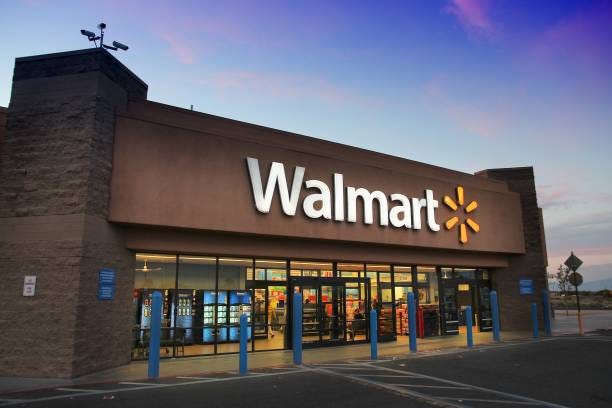
On July 6, 2026, Walmart and Sam’s Club announced a broad rollout of lower prices across thousands of products in stores and online nationwide, spanning grocery, household essentials, outdoor living, toys, and apparel. The campaign is structured around Walmart’s signature Rollback program, with highlighted reductions including fresh sweet corn dropping from $0.68 to $0.25 per ear and red cherries falling from $11.18 to $5.63 per pound. Walmart Chief Merchant Julie Barber framed the initiative as a deliberate investment in value across the categories customers are shopping most frequently this summer. For CPG suppliers, regional grocers, and competing retailers, this announcement is not just a summer promotional event. It is a signal about where consumer spending pressure is concentrated and how the dominant retail operator in the market is choosing to respond to it.
Walmart’s decision to make a broad, publicly announced price investment heading into the summer and back-to-school season reflects a specific read on its core customer base. Walmart serves a disproportionately value-oriented consumer, and when that consumer is feeling financial pressure, Walmart’s traffic and basket size are the first indicators in the market to show it. The company’s own data suggested that its traffic in recent weeks had run roughly in line with the prior year, underperforming competitors like Costco and Target that had shown stronger year-over-year gains. The summer pricing initiative is in part a direct response to that traffic dynamic, designed to close the gap by making the value proposition more explicit and immediate across high-frequency purchase categories.
For CPG brands selling into Walmart, the practical implications of a broad price investment campaign run deeper than the promotional calendar. When Walmart signals that it is actively investing in lower shelf prices, it is simultaneously putting pressure on suppliers to support those reductions through trade allowances, promotional participation, and in some cases direct cost-based price concessions. Walmart’s procurement team uses public pricing initiatives as leverage in ongoing vendor negotiations, and brands that do not have a clear story about their cost structure and margin support for price investment are at a disadvantage in those conversations. Finance teams at CPG companies with significant Walmart exposure should review their trade spend commitments, understand their Walmart-specific contribution margins, and be prepared to model the impact of incremental promotional depth on channel profitability.
The broader competitive context is also worth noting. Walmart’s summer pricing push coincided with Amazon Prime Day, which ran during the same week and generated competing promotional activity across Target, Best Buy, and other major retailers. This compression of promotional intensity into a single week in early July reflects a structural dynamic in retail that has been building for several years: major shopping events that once occupied distinct calendar positions are now overlapping, creating a period of intense price competition across channels that places significant pressure on non-promotional pricing and margin realization. For CPG brands managing both a retail and a DTC channel, the promotional environment of the past two weeks is a useful stress test of whether their pricing architecture can withstand concentrated competitive pressure without eroding the full-price value proposition they have built in other channels.
The consumer spending signal embedded in Walmart’s pricing move is also worth reading carefully. The company’s decision to invest publicly and broadly in price rather than managing trade promotions quietly through its standard vendor programs suggests that leadership sees softness in traffic and basket size that requires a more visible and consumer-facing response. Consumer spending on food and household essentials has shown resilience through 2025 and into 2026, but the composition of that spending has shifted toward value formats, private label, and promotional purchasing. Walmart’s initiative reinforces that the consumer is not spending freely and that price remains the primary competitive lever in the current environment. Regional grocers and smaller CPG operators who have been relying on brand equity or premium positioning to hold price should assess whether the market conditions supporting that positioning are as durable as their current financial models assume.
Bottom Line: Walmart does not invest in broad, public price reductions without a clear commercial rationale. What it is telling the market this week is that its core customer is under pressure and that traffic recovery requires a visible value signal. If that is the environment the largest retailer in the world is navigating, every CPG brand and competing retailer needs to understand what it means for their own business.